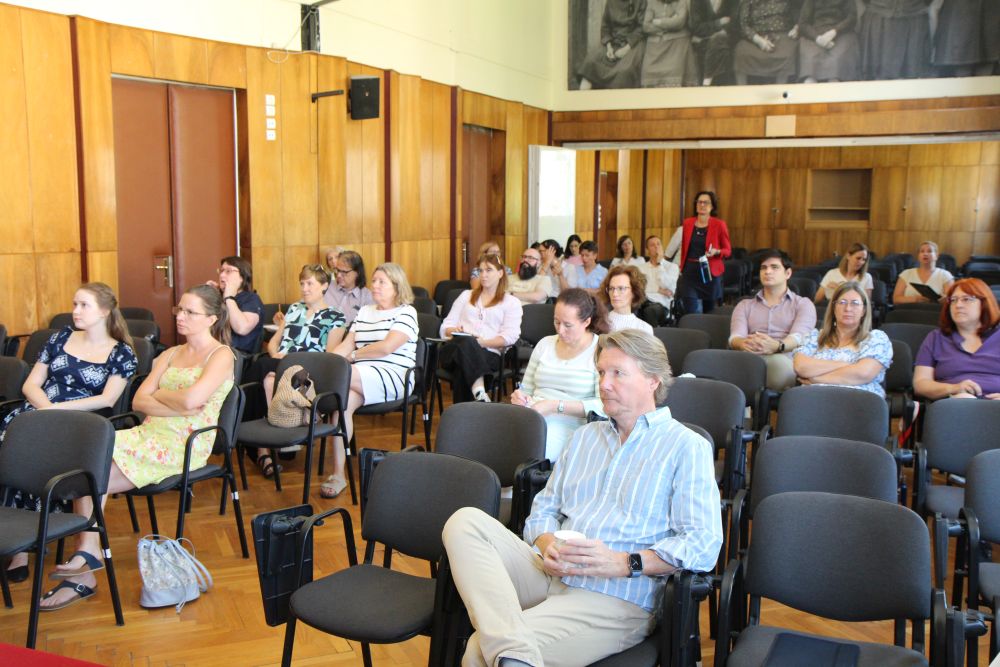
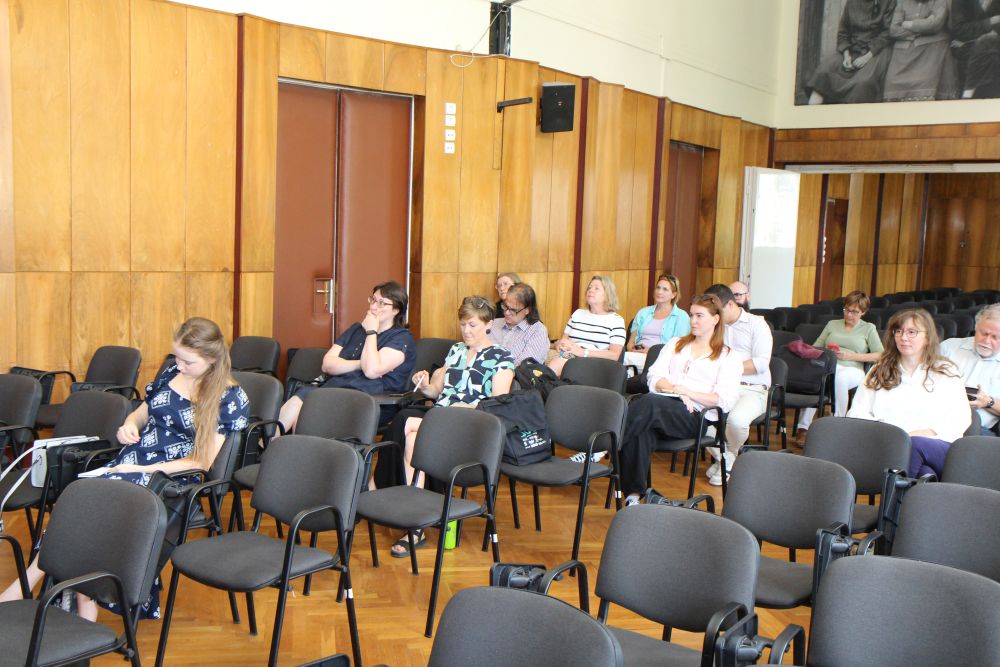
On September 1, 2026, starting at 9:00 a.m., the ELTE Faculty of Primary and Pre-School Education held its customary Dean’s Professional Day to mark the start of the new academic year.
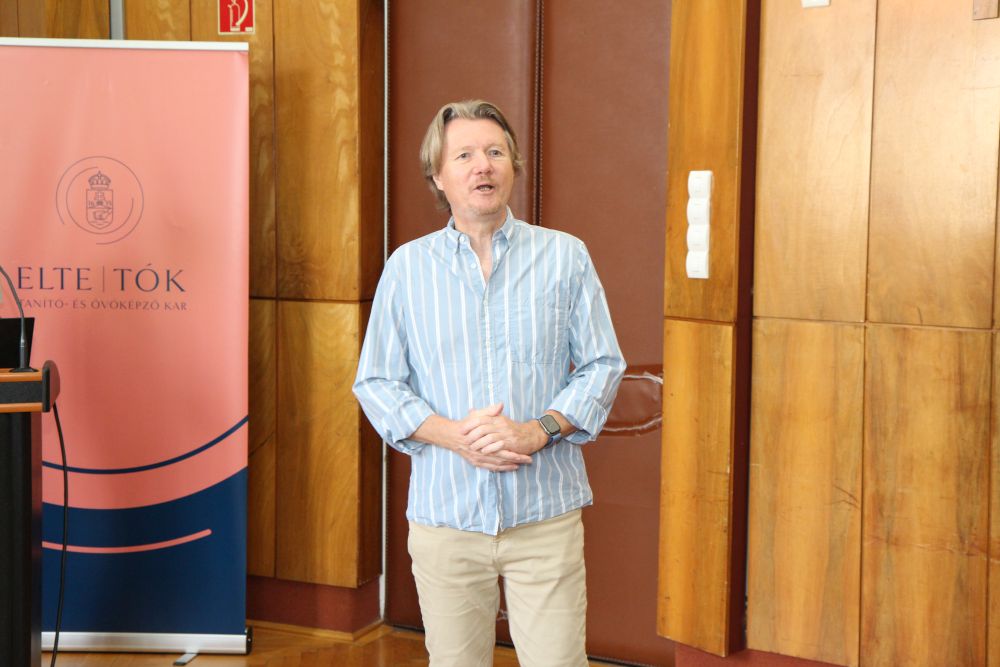
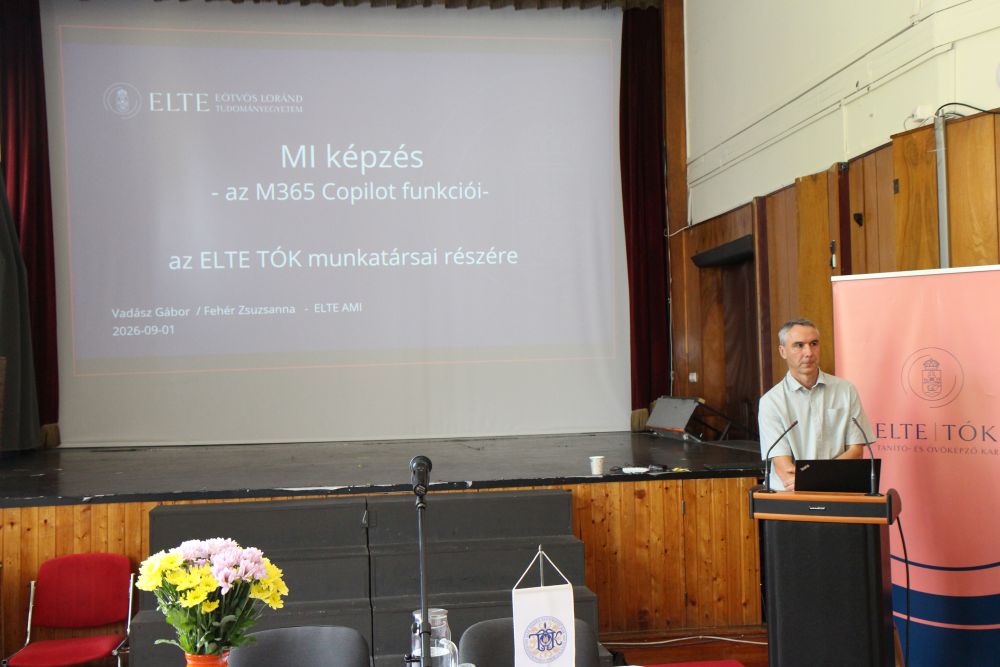
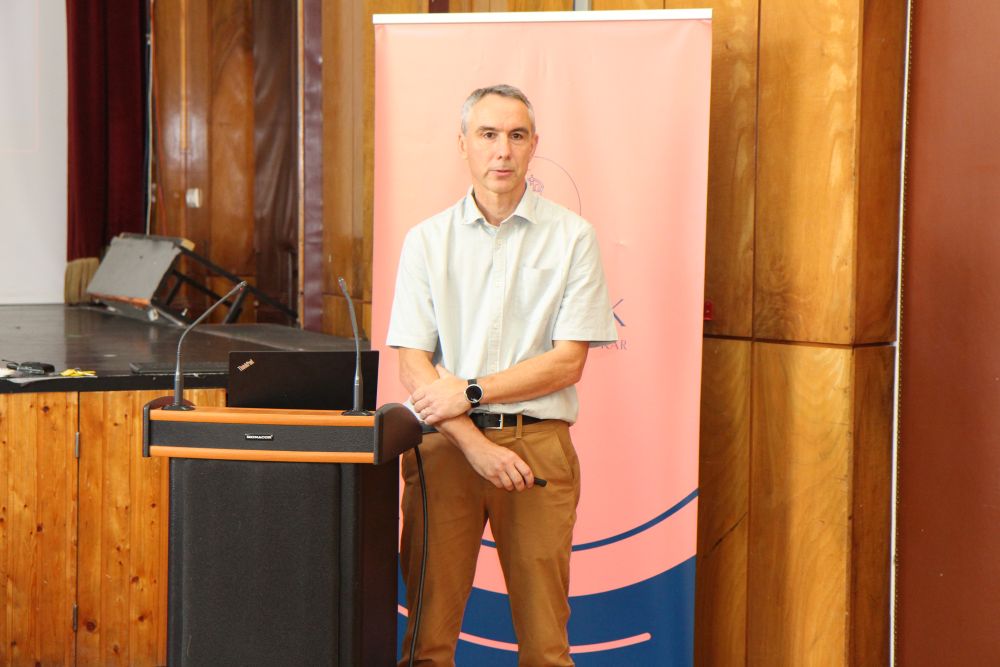
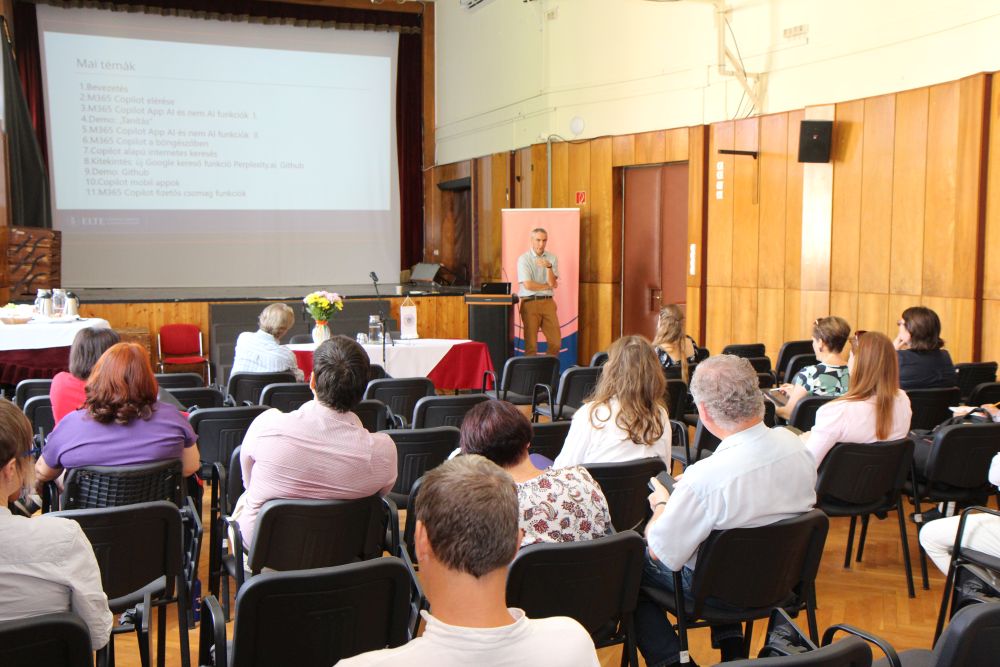
The event took place in the auditorium. Following opening remarks by Dr. Miklós Lehmann, Associate Dean for Academic and International Affairs, an innovative topic was on the agenda: Gábor Vadász, Director of the Center for Applied Artificial Intelligence and Process Management, gave a presentation on the possibilities of Copilot. New technologies are not only emerging in the fields of research and education but are also supporting day-to-day university operations. In education, Copilot can assist with preparing course materials and assignments, planning classes, and supporting the learning process. In his presentation, Gábor Vadász demonstrated how the application of artificial intelligence opens up new opportunities for the university community, making information more readily accessible and simplifying daily workflows.
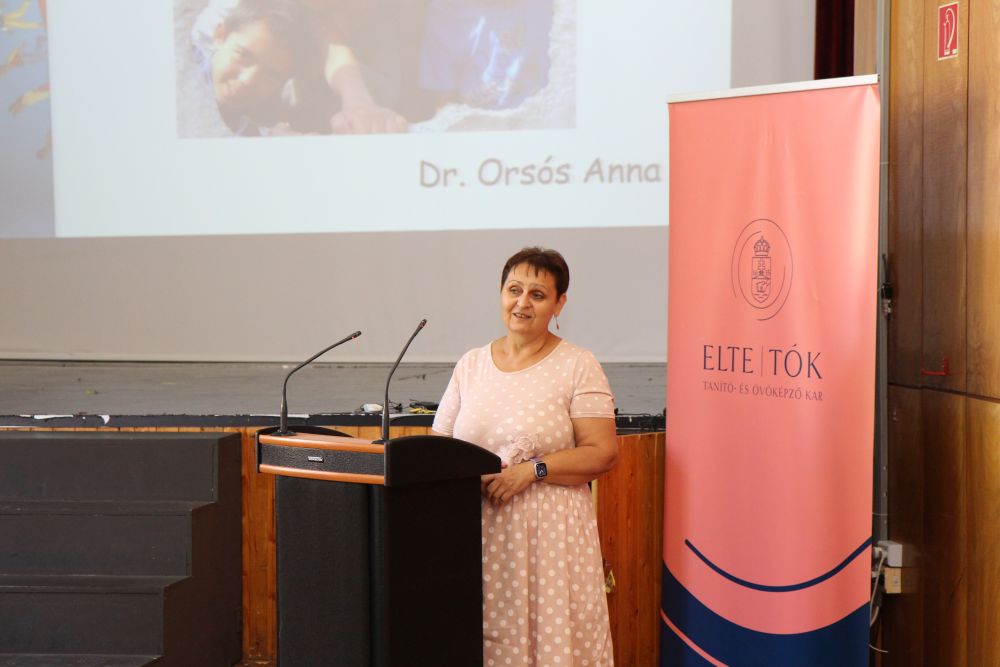
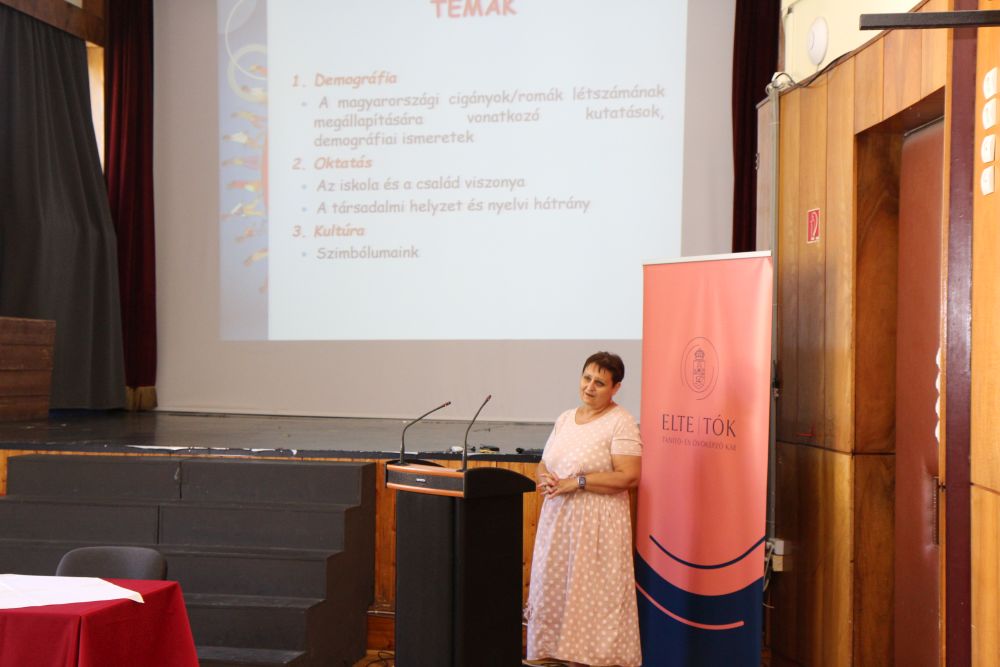
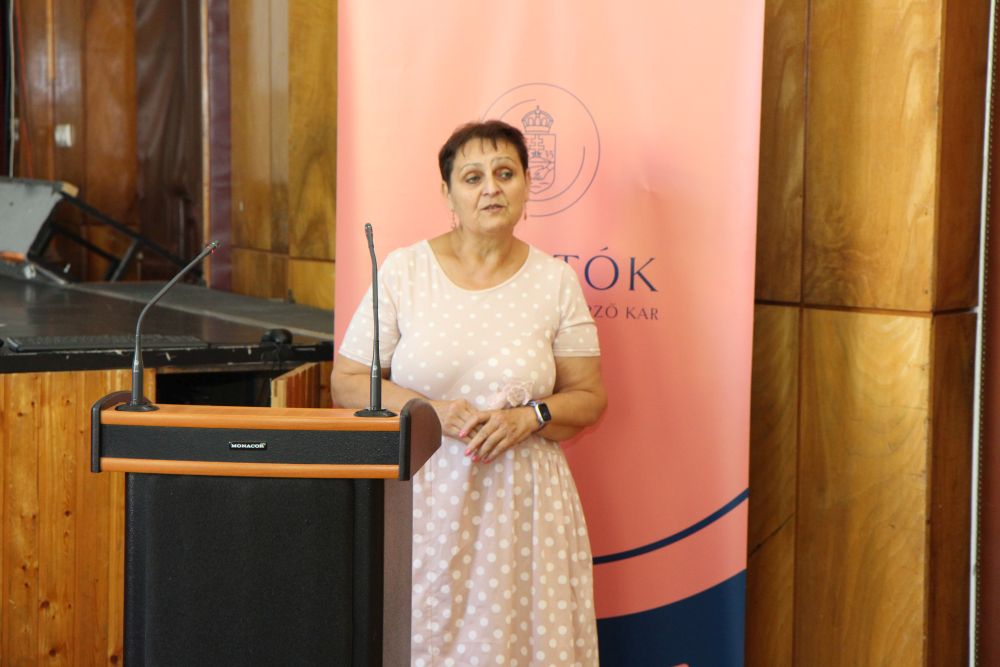
After a short coffee break, Anna Orsós’s presentation further expanded our colleagues’ knowledge, though in a completely different direction. The presentation, titled “Not Every Gypsy Is a Roma, but Is Every Roma a Gypsy?—Facts About Gypsies/Roma in Hungary,” in many ways added nuance to the attendees’ existing knowledge and helped them gain a better understanding of the cultural background of the Gypsy minority groups living in Hungary. We learned what the word “Roma” actually means and why this term, which is used generically in an international context, does not apply to members of certain Gypsy minority groups in Hungary, who—even in terms of their native language—belong to entirely different categories.
As a member of a minority group and an educator, Anna Orsós feels a strong sense of commitment to sharing her experiences, since those working in the teaching profession can do the most to ensure that the educational system serves as a bridge despite cultural and social differences.
We need to understand why there is such a wide gap between the general population and the Romani community, and we need to identify the ages at which we can do the most to reduce the extent of this disparity. Although sociological research from recent years shows some improvement—with an increasing number of students of Roma origin advancing to higher grades—the number of those who earn a high school diploma or a college degree remains low. This is because a significant shift in mindset is required for someone to choose higher-level education—which yields results in the long term—rather than the principle of “immediate return on investment.” Sometimes it is not enough to simply help the student understand this; the child’s family and social environment must also provide their principled support.
The relevance and necessity of the topic were demonstrated by the numerous questions directed at the presenter, and several fellow educators indicated that they would like to discuss various details via email as well.