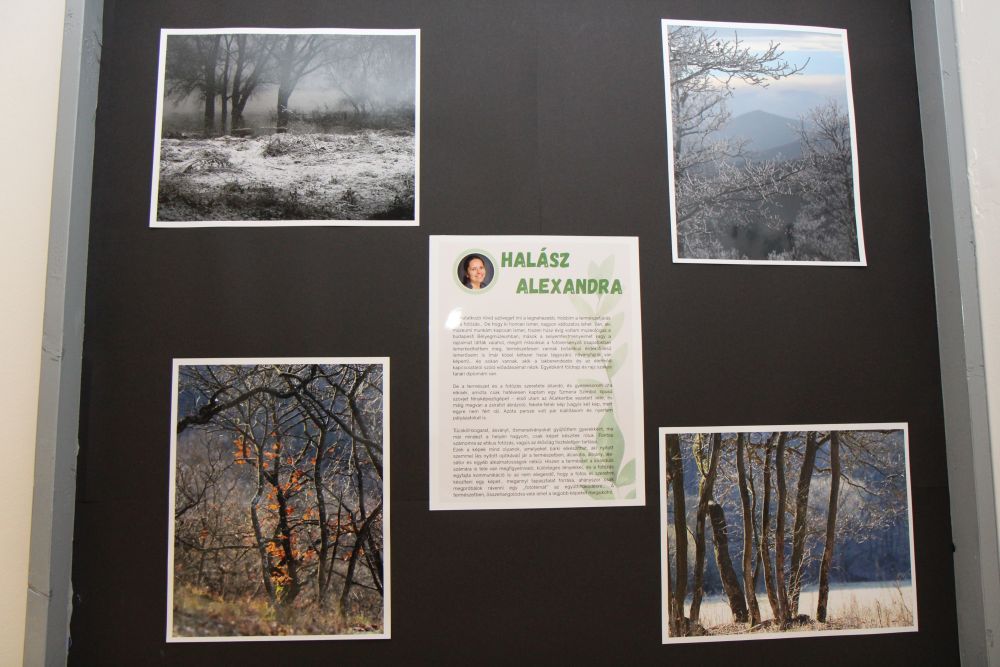
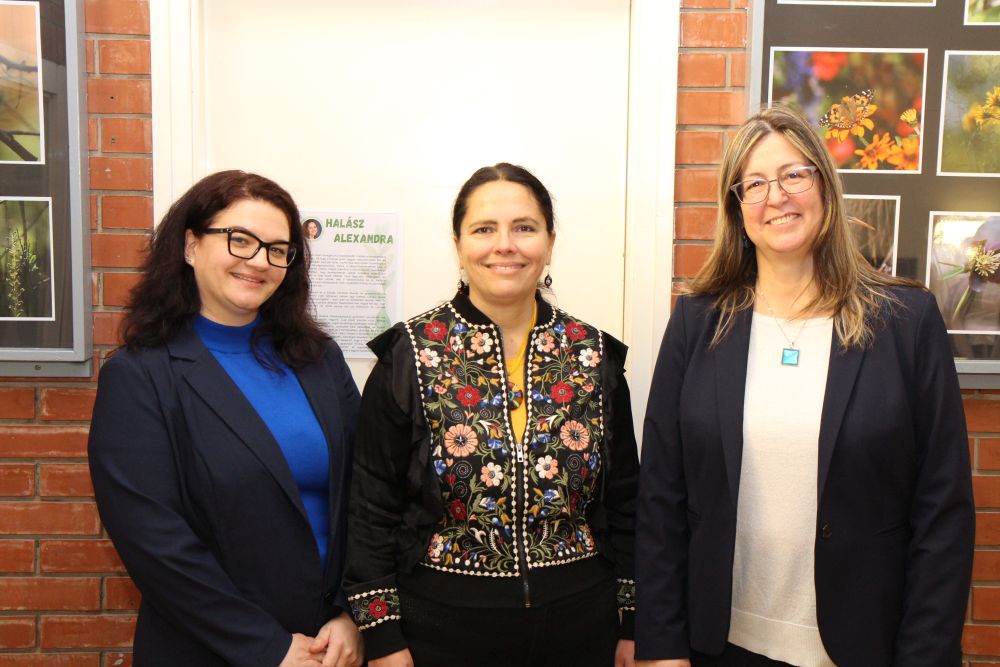
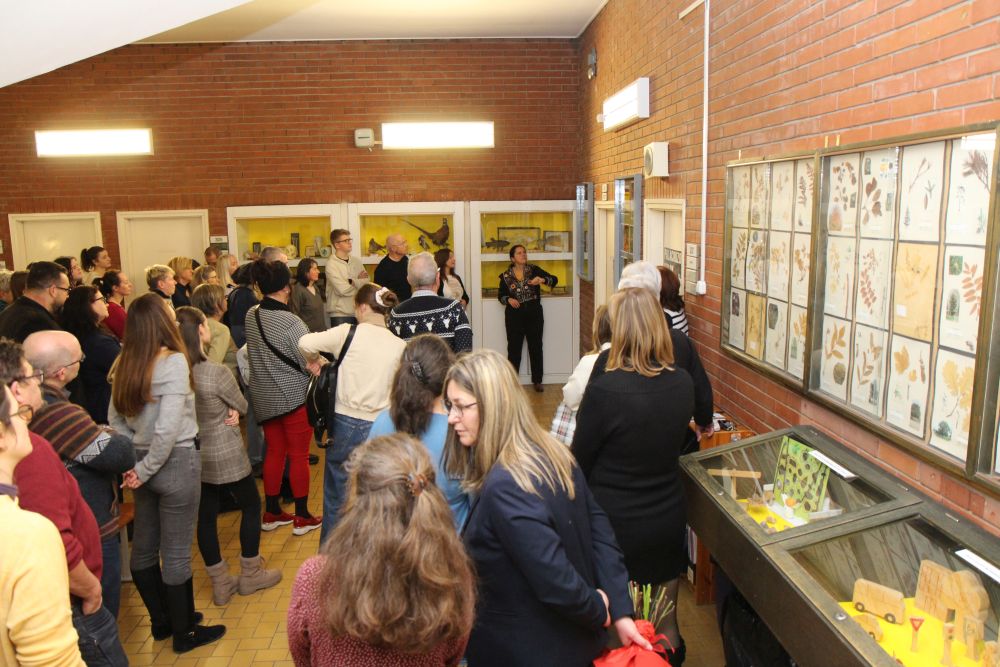
On the afternoon of January 26, 2026, an enthusiastic audience of nature lovers gathered for the opening of the corridor exhibition on the third floor of TÓK, where a permanent exhibition of photographs by Alexandra Halász was inaugurated.
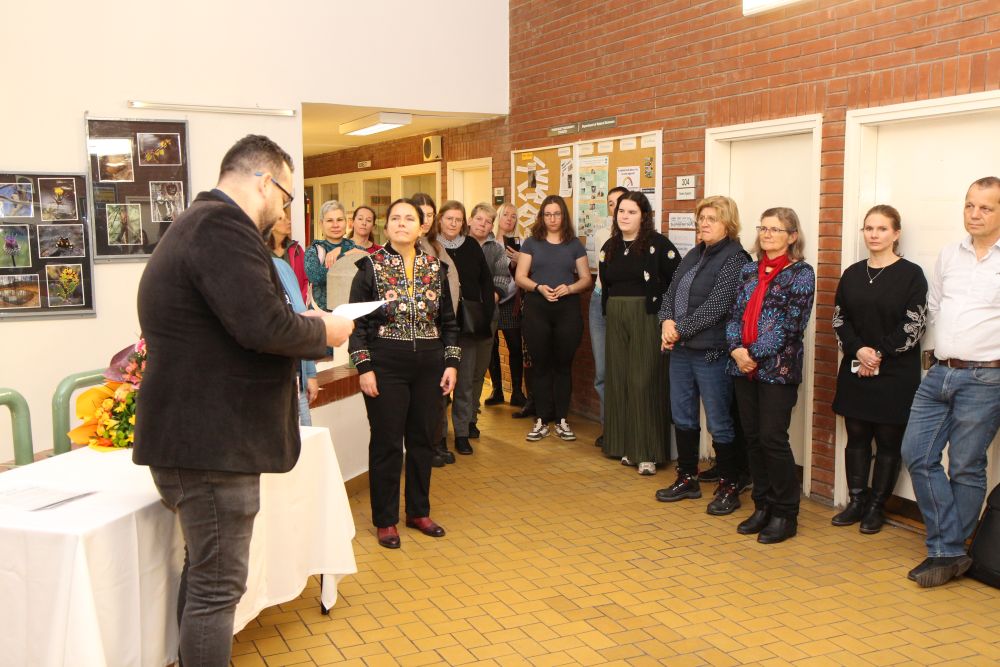
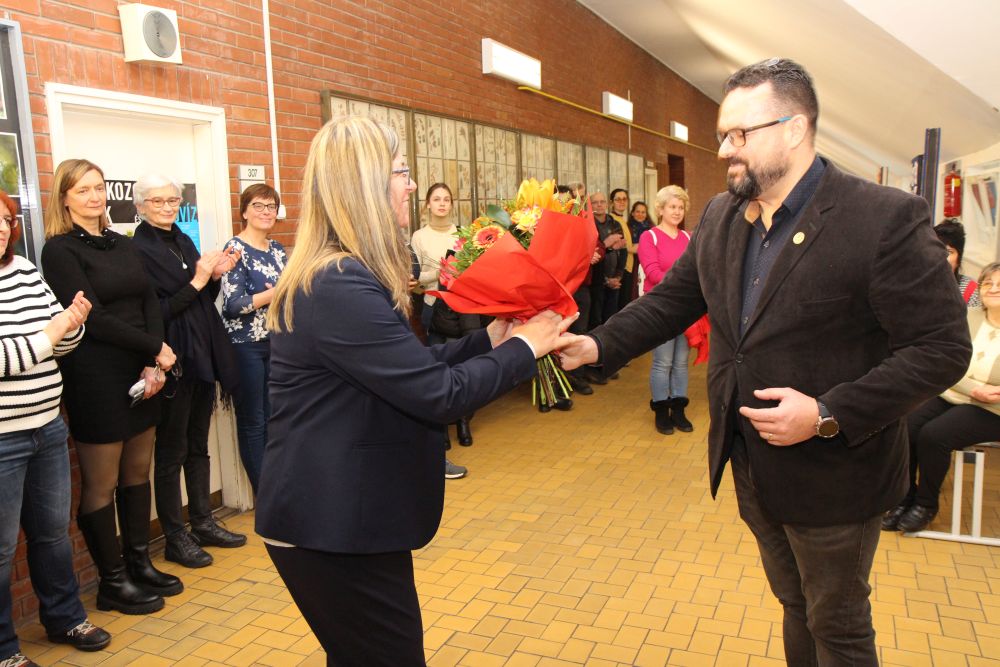
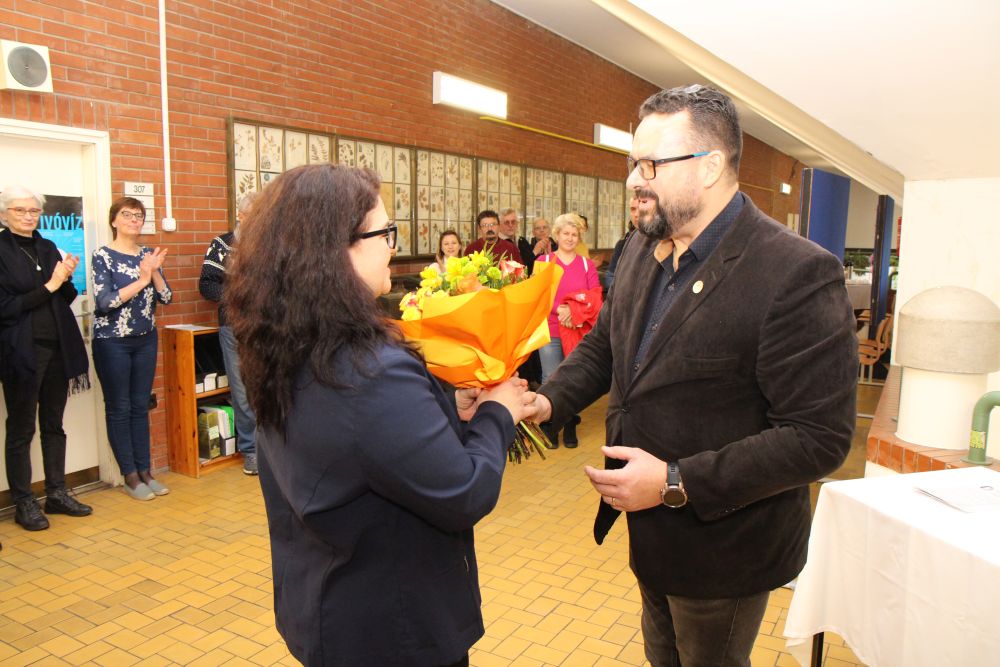
The event was opened by Dr. Gábor Áron Vitályos, head of the department. In his welcoming speech, he commemorated the recently deceased Dr. Ede Schottner, former head of the department and former deputy director of the faculty, and thanked everyone who contributed to the conception and preparation of the exhibition. Dr. Erzsébet Szurdoki, assistant professor at the department, who played a prominent role in the project, and Edina Bárkányi, a correspondence student in the field of cultural studies, were also recognized with flowers for their contributions.
Dr. Gábor Áron Vitályos emphasized that there is a great need for as many people as possible to feel the same level of commitment to nature as those who helped create the exhibition, because then there would be a better chance of “restoring the fragile balance between nature and humankind.”
He then gave the floor to Alexandra Halász, who draws on her extensive knowledge across a wide range of topics. She worked as a museologist at the Budapest Stamp Museum for twenty years, which laid the foundation for her interest in botany. In addition to hiking in nature, she also tries to compensate for her previously sedentary lifestyle by participating in running competitions. Many people know her name from her silk paintings, her writings on interior design and lifestyle, or her lectures. As she admits, unlike in her childhood, when she used to collect crickets and beetles (resulting in around eighty chirping creatures living with them as temporary pets for a while) and bring home rocks and plants to satisfy her insatiable thirst for knowledge, she now immortalizes her “treasures” from nature through photographs.
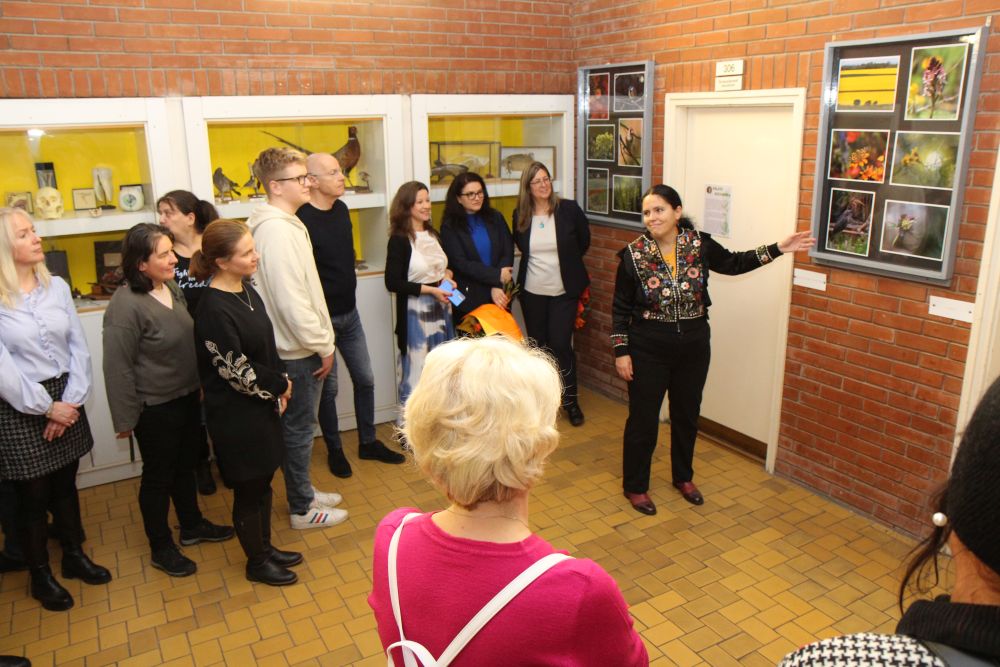
However, Alexandra Halász not only observes (and classifies, usually after returning home, when she wants to find out which species a newly discovered plant or animal belongs to), but she also has a good story for every picture. During an enjoyable guided tour, filled with humor, we learned many interesting facts about the circumstances surrounding the creation of the 65 selected nature photographs. Among the thought-provoking stories, one in particular stood out: a group of chattering schoolchildren walked past a motionless red heron without noticing it at all, while the bird patiently waited for the keen-eyed nature photographer to capture it on camera.
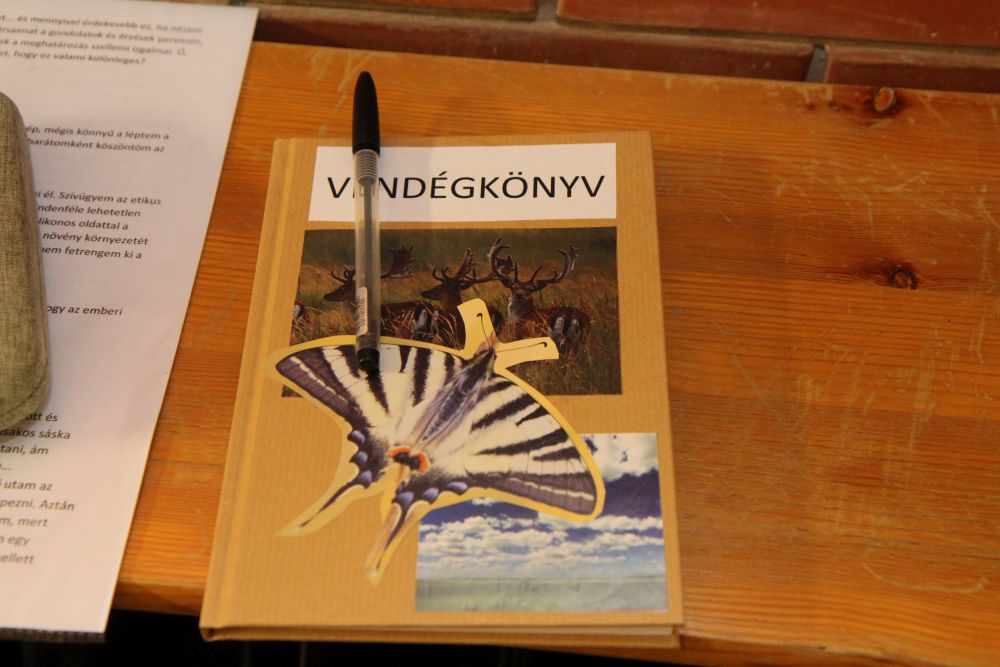
After the joint viewing of the photographs, the many visitors had the opportunity to look through all the exhibited works while nibbling on scones or sipping coffee. They could encourage the photographer to share more stories or write their impressions in Alexandra’s guestbook. Alexandra firmly believes that “human nature will also improve if it becomes more natural.”